OpenClaw Blog Automation: 5 Workflows with cron and HEARTBEAT
Reduce blog management workload with OpenClaw automation. Learn how cron jobs and HEARTBEAT streamline social media posting, traffic monitoring, and content ideation.
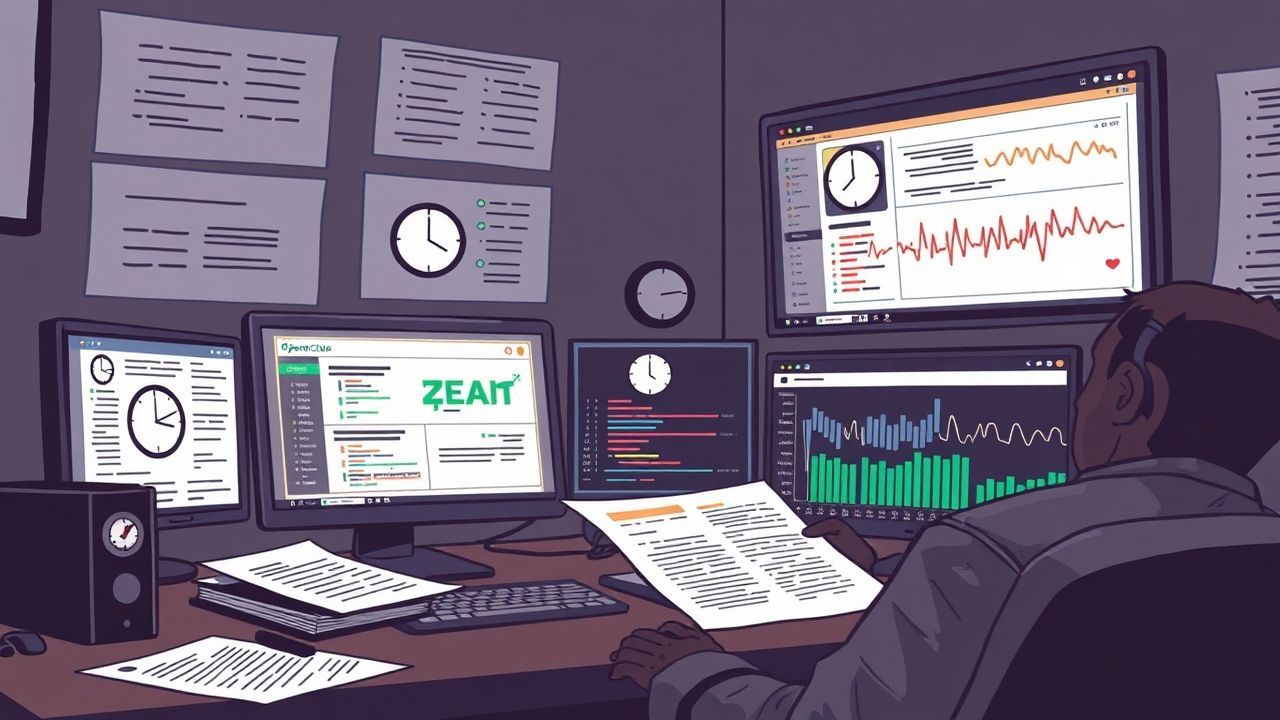
Regaining Time Through Blog Automation
Blog management involves numerous time-consuming tasks beyond writing articles. Social media promotion, traffic analysis, and content ideation can consume valuable creative time when done manually.
9Soc, the developer behind OpenClaw, sought ways to automate these tedious tasks based on personal blog management experience. By combining OpenClaw's cron job functionality with HEARTBEAT features, significant efficiency improvements became possible.
Understanding cron jobs and HEARTBEAT
cron jobs are scripts that execute automatically at specified times. OpenClaw allows scheduling regular tasks using this functionality. HEARTBEAT monitors system status and triggers actions when needed.
Together, these features free bloggers from daily routine work, allowing them to focus on more creative activities.
Five Practical Automation Workflows
9Soc has shared five automation workflows actually used in personal blog management, complete with configuration code for immediate implementation:
- Automatic social media posting after article publication
- Weekly traffic report generation
- Competitor site new article monitoring
- Keyword trend automatic collection
- Backup and maintenance scheduling
Implementing these workflows enables significant time savings without compromising blog quality.
Ready-to-Use Configuration Code
The detailed guide published on uma-school.com includes step-by-step instructions and actual code for each workflow. The explanations are beginner-friendly and easy to follow.
The OpenClaw community promotes efficiency by sharing these automation techniques among bloggers. 9Soc's initiative demonstrates the expanding potential of OpenClaw as an AI agent.
Future Outlook
OpenClaw's automation features are expected to evolve further. Integration with more advanced AI capabilities and improved compatibility with other CMS platforms represent ongoing changes in the blog management environment.
For bloggers, adopting technological advancements while exploring efficient management methods remains key to long-term success.