Nvidia launches NemoClaw to rival OpenClaw - but BAT chose OpenClaw first
Nvidia's new AI agent NemoClaw challenges OpenClaw, but BAT already chose OpenClaw. Tesla builds its own AI chip factory. The GPU monopoly cracks widen.
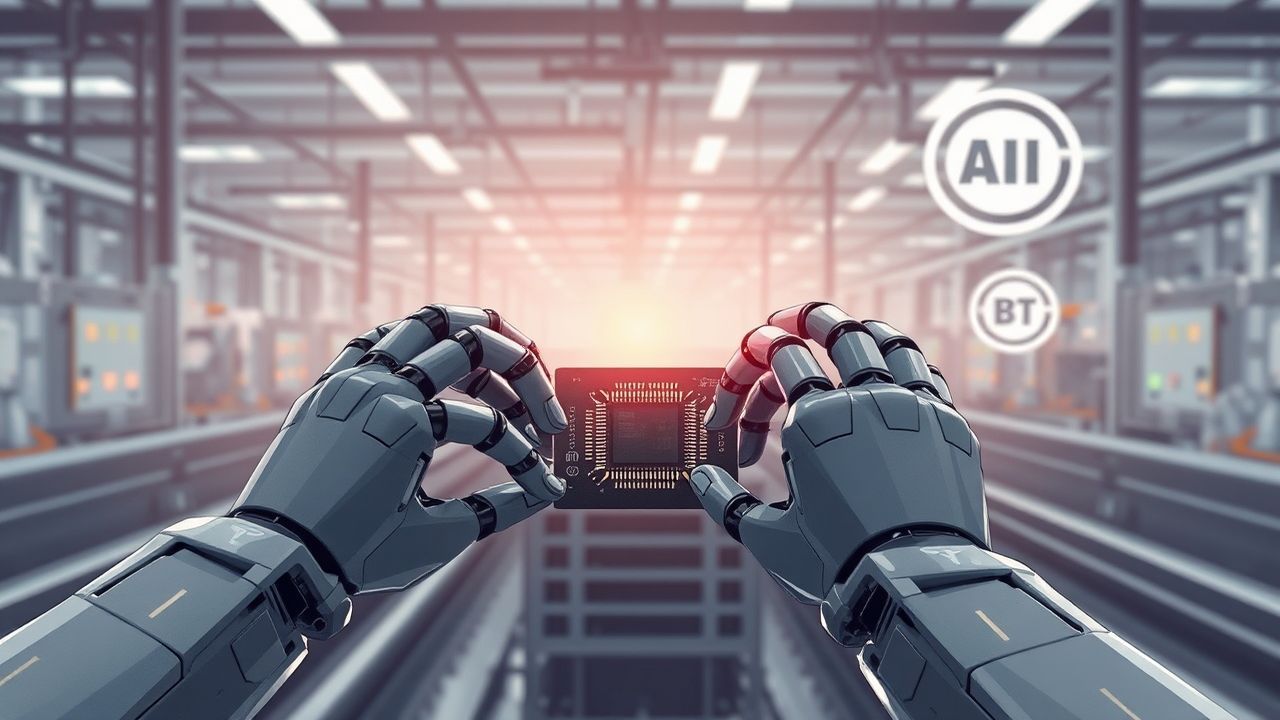
GPU Monopoly Under Pressure
At the GPU Technology Conference (GTC) 2026, Nvidia launched its latest AI agent NemoClaw, positioning it as a direct competitor to OpenClaw. The announcement comes at a time when the AI landscape is rapidly changing, and established market leaders are facing unexpected challenges.
BAT Chooses OpenClaw Before Market Launch
Surprisingly, Chinese tech giant BAT had already formed a strategic partnership with the OpenClaw team before OpenClaw's official market launch. This decision shows that OpenClaw has already gained significant trust from key industry partners, despite being in the development phase. The early selection by BAT suggests either a strong technological advantage or a compelling business model.
Tesla Builds Own AI Chip Factory
Concurrent with Nvidia's announcements, Tesla revealed plans for Terafab - its own AI chip factory. This move demonstrates the growing independence of major tech companies from traditional chip manufacturers and could fundamentally change the power dynamics in the AI industry. Building an in-house chip factory allows Tesla greater control over hardware development and could lead to more specialized solutions for autonomous vehicles and other AI applications.
The Future of AI Agents
The competition between NemoClaw and OpenClaw marks a turning point in AI agent development. While Nvidia brings its established market position and enormous resources, OpenClaw has already gained a strategic advantage through its early partnership with BAT. The question of who will win the AI agent war depends not only on technological superiority but also on the ability to form strategic partnerships and understand the needs of different market segments.
Industry Implications
These developments suggest increasing fragmentation in the AI market. The establishment of Terafab by Tesla and BAT's strategic decisions show that major companies are striving to become more independent from traditional supply chains. This could lead to greater diversity in AI solutions but may also complicate standardization and interoperability.