Leichtgewichtiger PHP-Dienst für OpenRouter OTLP-Traces in Shared Hosting-Umgebungen
Neues Tool fängt OTLP-Traces per Webhook und speichert sie in MySQL - ohne Composer, ideal für Shared Hosting.
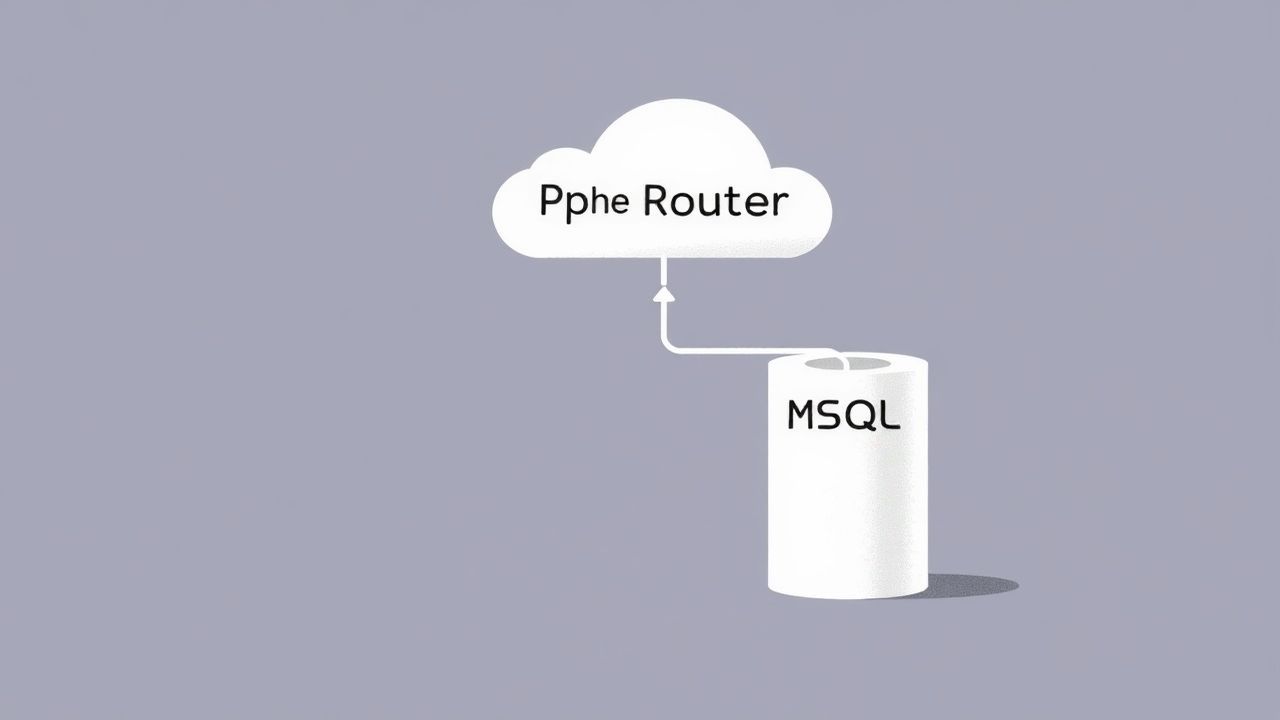
OTLP-Traces ohne Composer für Shared Hosting
Mit dem neu veröffentlichten otlp-webhook-logger stellt Entwickler EvanDataForge eine pragmatische Lösung für Entwickler in Shared Hosting-Umgebungen vor. Das PHP-basierte Tool empfängt OpenRouter OTLP-Traces über HTTP-Webhooks und speichert sie direkt in MySQL-Datenbanken, ohne dass ein Composer oder andere Abhängigkeitsmanager erforderlich sind.
Entwickelt für eingeschränkte Hosting-Umgebungen
Traditionelle OTLP-Sammler wie Jaeger oder Zipkin setzen oft auf komplexe Architekturen mit separaten Prozessoren und Datenbank-Backends, die in Shared Hosting-Umgebungen nicht realisierbar sind. otlp-webhook-logger umgeht diese Hürden durch seine minimalistische Architektur: Ein einzelnes PHP-Skript empfängt die Traces, parst die OTLP-Nutzlast und schreibt die Daten direkt in eine MySQL-Tabelle.
Technische Umsetzung
Die Implementierung setzt auf native PHP-Funktionen und benötigt lediglich eine MySQL-Datenbank. Das Tool verarbeitet eingehende HTTP-POST-Anfragen mit OTLP-Trace-Daten, validiert die JSON-Struktur und speichert die relevanten Informationen in vordefinierten Tabellen. Durch den Verzicht auf externe Bibliotheken bleibt die Dateigröße minimal und die Performance auch auf günstigen Hosting-Paketen akzeptabel.
OpenRouter-Integration
Die enge Integration mit OpenRouter macht das Tool besonders attraktiv für Entwickler, die OpenRouter für KI-Anwendungen nutzen. OpenRouter bietet OTLP-Tracing als Möglichkeit zur Leistungsüberwachung und Fehleranalyse an, und otlp-webhook-logger ermöglicht es nun auch Nutzern ohne Root-Zugriff oder Composer-Zugriff, von diesen Funktionen zu profitieren.
Verfügbarkeit und Lizenz
Das Projekt ist auf GitHub unter github.com/EvanDataForge/otlp-webhook-logger verfügbar und steht unter einer Open-Source-Lizenz. Die Dokumentation enthält Anleitungen für die Einrichtung, die MySQL-Tabellenschemata und Beispiele für die Konfiguration der OpenRouter-Webhook-Integration.
Fazit
otlp-webhook-logger schließt eine Lücke im Ökosystem der OTLP-Tools, indem es eine einfach zu deployende Lösung für ressourcenbeschränkte Hosting-Umgebungen bietet. Für Entwickler, die in Shared Hosting-Umgebungen arbeiten und dennoch von den Vorteilen des OTLP-Tracings profitieren möchten, stellt dieses Tool eine wertvolle Ergänzung dar.