Amazon-Verkäufer nutzt KI für Produkt-Redesigns in 5 Minuten
KI-Tools revolutionieren Produktentwicklung: Top-3-Küchenprodukte in Minuten umgestaltet mit verbesserten Funktionen
KI-gestützte Produktentwicklung in Rekordzeit
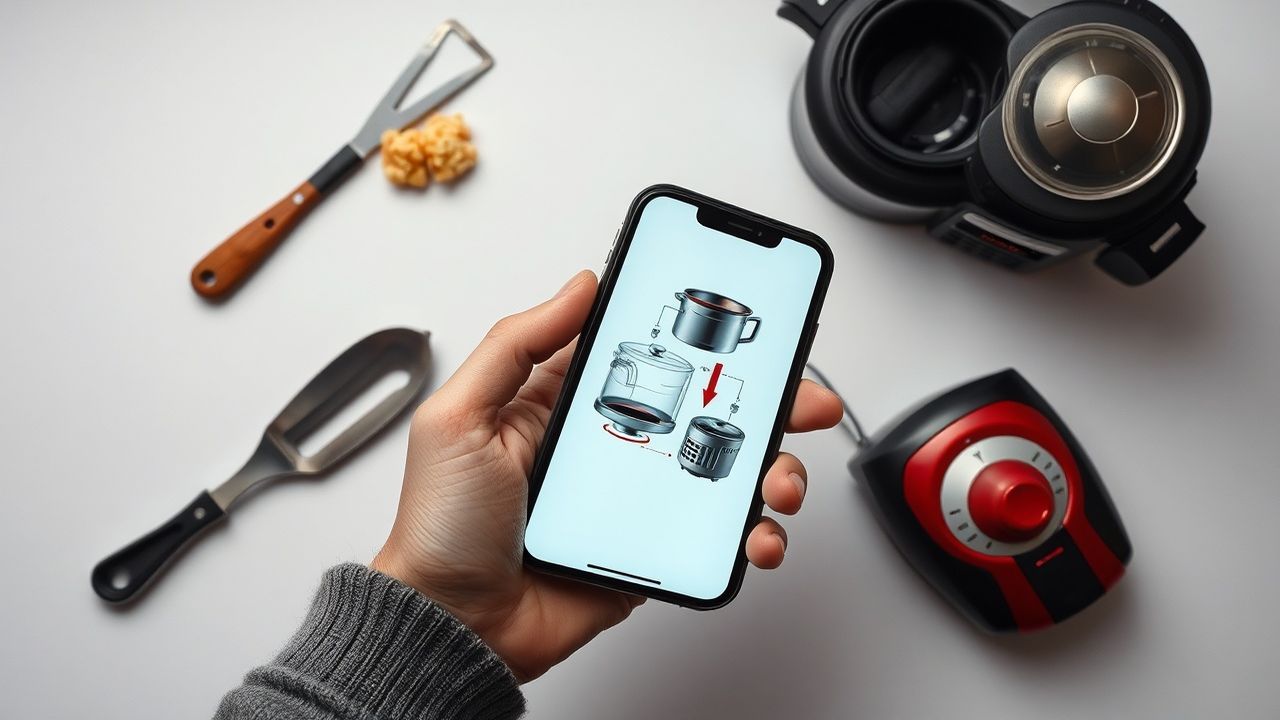
Ein Amazon-Verkäufer hat die Effizienz von KI-Tools in der Produktentwicklung demonstriert, indem er drei Küchenprodukte innerhalb von nur fünf Minuten neu gestaltet hat. Das Beispiel zeigt, wie künstliche Intelligenz die traditionellen Produktentwicklungsprozesse revolutioniert.
Das Vorgehen im Detail
Der Verkäufer analysierte zunächst die Top-3-Produkte in der Küchenkategorie für den Muttertag. Anschließend identifizierte er mithilfe von KI-Tools die wichtigsten Kundenbeschwerden und Schmerzpunkte aus den Produktbewertungen. Basierend auf diesen Erkenntnissen wurden die Produkte umgestaltet.
Produkt 1: Silikon-Dampfgarer
Der ursprüngliche Dampfgarer hatte zwei Hauptprobleme: er nahm zu viel Platz weg und war schwer zu reinigen. Die KI-basierte Neugestaltung führte zu einem faltbaren Design mit magnetischer Aufbewahrungsfunktion. Zudem wurde das Material auf lebensmittelechtes PP umgestellt und ein integrierter Aufbewahrungsort für die Reinigungsbürste hinzugefügt.
Produkt 2: Multifunktions-Schäler
Der Schäler litt unter stumpfen Klingen und Verletzungsgefahr. Die verbesserte Version verwendet nun eine Keramikklinge für längere Schärfe. Ein rutschfester Griff und ein Sicherheitsschutz wurden hinzugefügt, um die Handhabung sicherer zu gestalten.
Produkt 3: Mini-Elektro-Reiskocher
Obwohl keine spezifischen Probleme genannt wurden, wurde auch dieses Produkt optimiert. Der Mini-Elektro-Reiskocher eignet sich ideal für den mobilen Einsatz und wurde vermutlich in Bezug auf Größe, Gewicht oder Funktionalität verbessert.
Ergebnisse und Auswirkungen
Die neu gestalteten Produkte zeigten eine verbesserte BSR (Best Sellers Rank) und positivere Kundenbewertungen. Dieses Beispiel verdeutlicht, wie KI-Tools die Produktentwicklung beschleunigen und gleichzeitig die Qualität erhöhen können. Besonders für Amazon-Verkäufer bietet dieser Ansatz einen Wettbewerbsvorteil durch schnellere Innovation und bessere Anpassung an Kundenbedürfnisse.
Ausblick
Die erfolgreiche Anwendung von KI in der Produktentwicklung könnte zu einem Standardverfahren für Online-Händler werden. Die Kombination aus Datenanalyse, schneller Prototypenerstellung und kontinuierlicher Verbesserung auf Basis von Kundenfeedback ermöglicht eine agile Produktentwicklung, die traditionelle Methoden in den Schatten stellt.