OpenClaw Stock Analysis: Codex vs. Claude in AI Capabilities
Twitter user tests AI assistants for stock analysis capabilities - Codex offers help, Claude declines
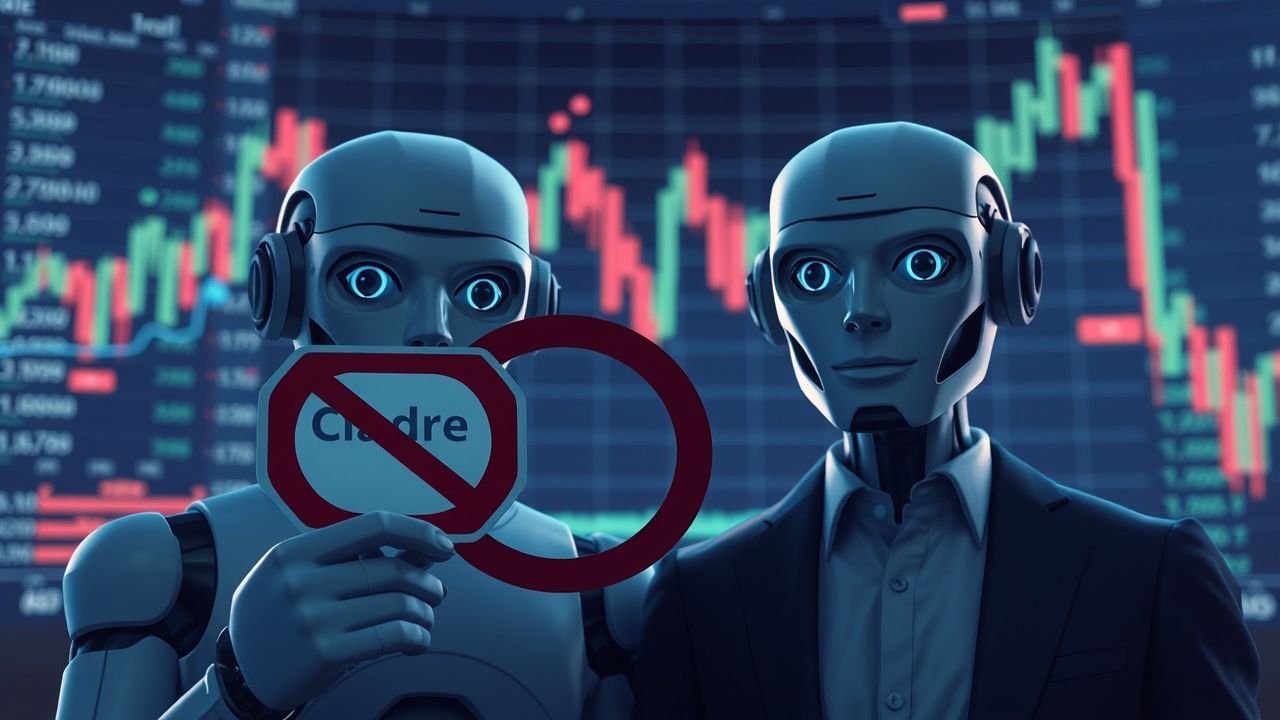
AI Assistants Show Different Capabilities in Stock Analysis
A Twitter user with the handle @k_koga555 has shared insights into his experiences with different AI assistants when configuring a stock analysis skill called "OpenClaw." The user reports that he first attempted to enlist Claude from Anthropic for this task, but received a refusal.
"This time I asked Claude from Anthropic (cowork), but he said that real-world settings are actually not possible," the user writes. This rejection highlights the current limitations of AI systems when handling real-world configuration tasks and shows that even advanced AI models have their limits.
Interestingly, the user found an alternative in Codex. "I will ask Codex to handle the skill settings," he added, expressing amusement at the different capabilities of the AI systems. This behavior underscores the fact that AI assistants can indeed have different strengths and weaknesses.
OpenClaw as an Analysis Tool
The skill called "OpenClaw" appears to relate to stock analysis, an area of great interest to investors and financial analysts. The fact that users want to employ AI assistants for such specialized tasks demonstrates the growing trust in artificial intelligence capabilities in the financial sector.
Different AI Philosophies
The different reactions from Claude and Codex could also be attributed to the different design philosophies of the companies. While Claude apparently acts cautiously and refuses to make real-world settings, Codex seems willing to help with configuration. This raises questions about the ethical and practical considerations that play a role in developing AI systems.
The Twitter post has sparked discussions among the user's followers about the capabilities and limitations of various AI systems. Many expressed surprise at the different approaches of the AI assistants and discussed the implications for future applications.