OpenClaw revives old HP laptop with autonomous AI
Open-source project breathes new life into aging hardware with autonomous AI capabilities
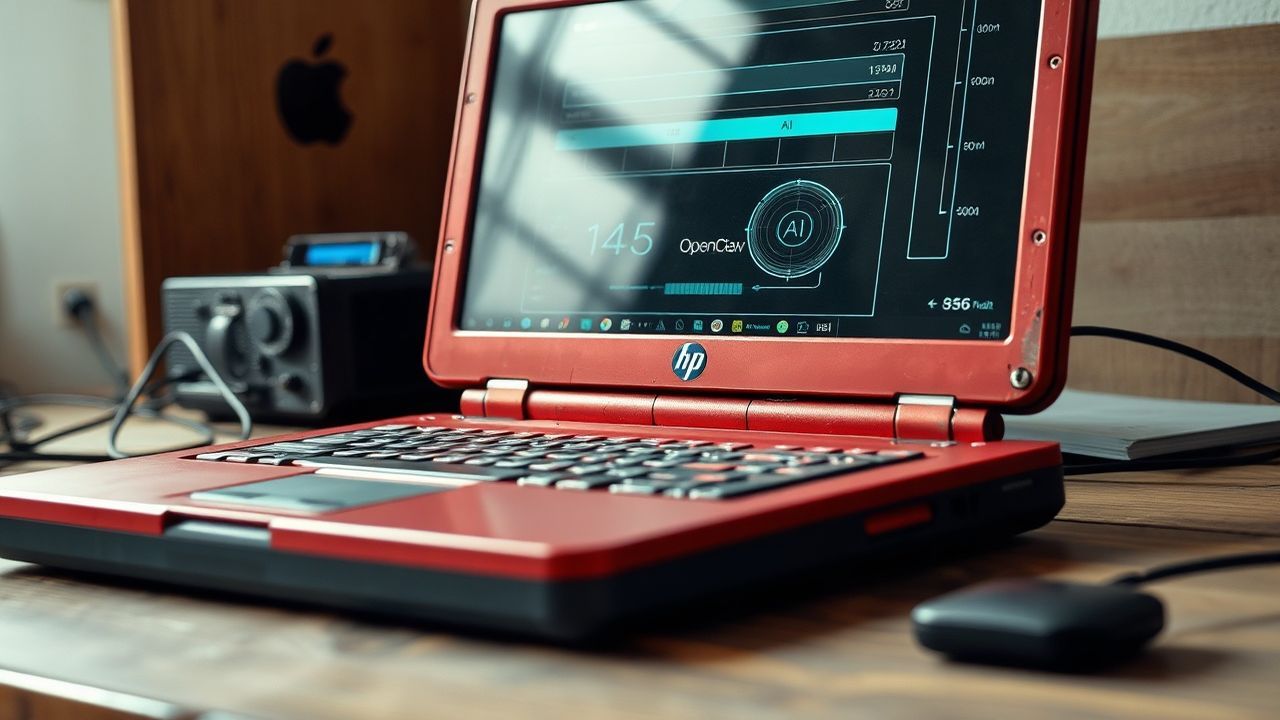
Vintage meets future technology
An impressive example of open-source software power and sustainable IT usage was recently shared on Twitter. User Olie Gray proudly presented his "resurrected" red HP laptop, which was transformed into a full-fledged AI workstation through OpenClaw.
OpenClaw: The bridge between old and new
OpenClaw, an open-source project specializing in providing local AI functionality, enables powerful AI agents to run even on outdated hardware. The system uses optimized models and efficient algorithms to make the most of older devices' limited resources.
The implementation of an "autonomous AI agent daemon" on the vintage laptop means the device can now handle complex AI tasks locally and without cloud connectivity. This potentially includes tasks like text analysis, code generation, or intelligent automation.
Sustainability in IT
This project highlights a growing trend in the tech community: the reuse and upgrading of older hardware. Instead of producing electronic waste and constantly buying new devices, users can significantly extend their devices' lifespan through software optimization.
The environmental impact of this approach is substantial. Manufacturing new electronic devices consumes valuable resources and generates CO2 emissions. Every year, millions of functional devices are discarded despite being useful for years with the right software.
Democratization of AI
Another important aspect of this project is the democratization of access to AI technology. High-quality AI systems often require expensive hardware and cloud services, making them inaccessible to many people. OpenClaw now enables users with limited financial means to benefit from AI advantages.
"Old laptop + open-source magic = AI for everyone, no new hardware required" - this apt comment from the Twitter user summarizes the vision: AI technology should be accessible to everyone, regardless of financial situation or hardware equipment.
Outlook
The successful implementation of OpenClaw on vintage hardware could inspire more users to revive their old devices. This could lead to broader adoption of local AI solutions and reduce dependence on centralized cloud services.
The OpenClaw community will likely continue working on optimizations to improve compatibility with even older hardware and increase system performance. This could ultimately lead to a real revolution in how we think about hardware lifecycles and access to advanced technology.