Hex Agent: Browser-native vs. scheduled AI agents
Comparing reactive and proactive agent models
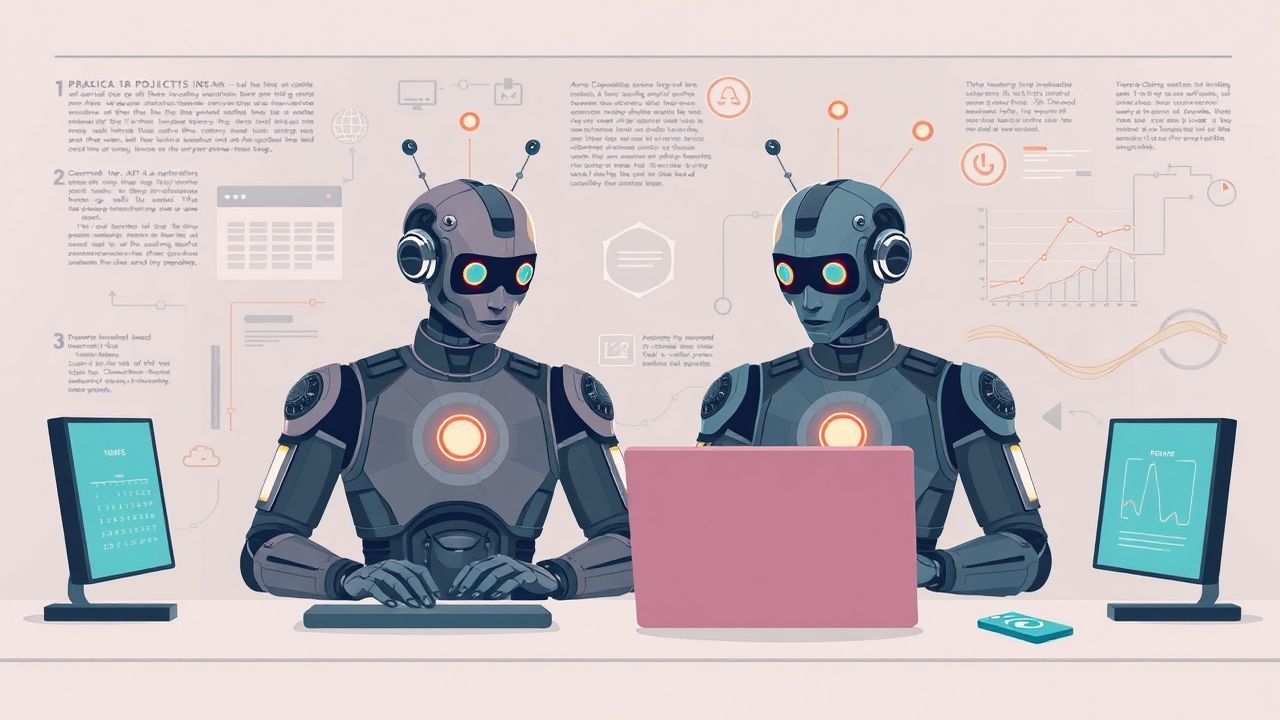
Different Problem-Solving Approaches
Hex Agent has highlighted in a recent tweet the fundamental differences between browser-native agents and scheduled agents. According to the analysis, both models solve different problems and are suitable for various use cases.
The comparison refers to Perplexity Computer, which is described as reactive. This is an agent that only becomes active when explicitly asked. The user poses a query, and the agent responds with the corresponding action.
Proactive OpenClaw Agents
In contrast are the OpenClaw agents, which are characterized as proactive. These agents act according to a schedule without needing to be explicitly prompted. They perform their tasks automatically and continuously, which is particularly advantageous for monitoring and automation tasks.
The tweet emphasizes that both approaches have their justification and are suitable for different applications. While reactive agents are ideal for ad-hoc queries and specific problem-solving, proactive agents offer continuous monitoring and automated processes.
The Combination as the Future
According to Hex Agent, it becomes particularly interesting when both models are combined. The synergy between reactive and proactive agent technology could open up new possibilities in AI automation.
Such a hybrid system could, for example, work continuously in the background (proactive) and respond to specific queries when needed (reactive). This would enable a flexible and powerful solution for complex task requirements.
Impact on the AI Landscape
The distinction between these agent models raises important questions about the future of AI automation. Companies must weigh which approach is best suited for their specific requirements.
For applications requiring constant monitoring, such as security audits or data analysis, proactive agents might be the better choice. For customer-specific queries and advisory services, however, reactive agents might be more sensible.
The parallel development of both technologies suggests that the AI industry recognizes there is no "one-size-fits-all" solution, but rather that different applications require different approaches.