Baidu's Xiaodu Speakers Get OpenClaw AI Brains
100 Million Smart Speakers Get Autonomous Agent Capabilities
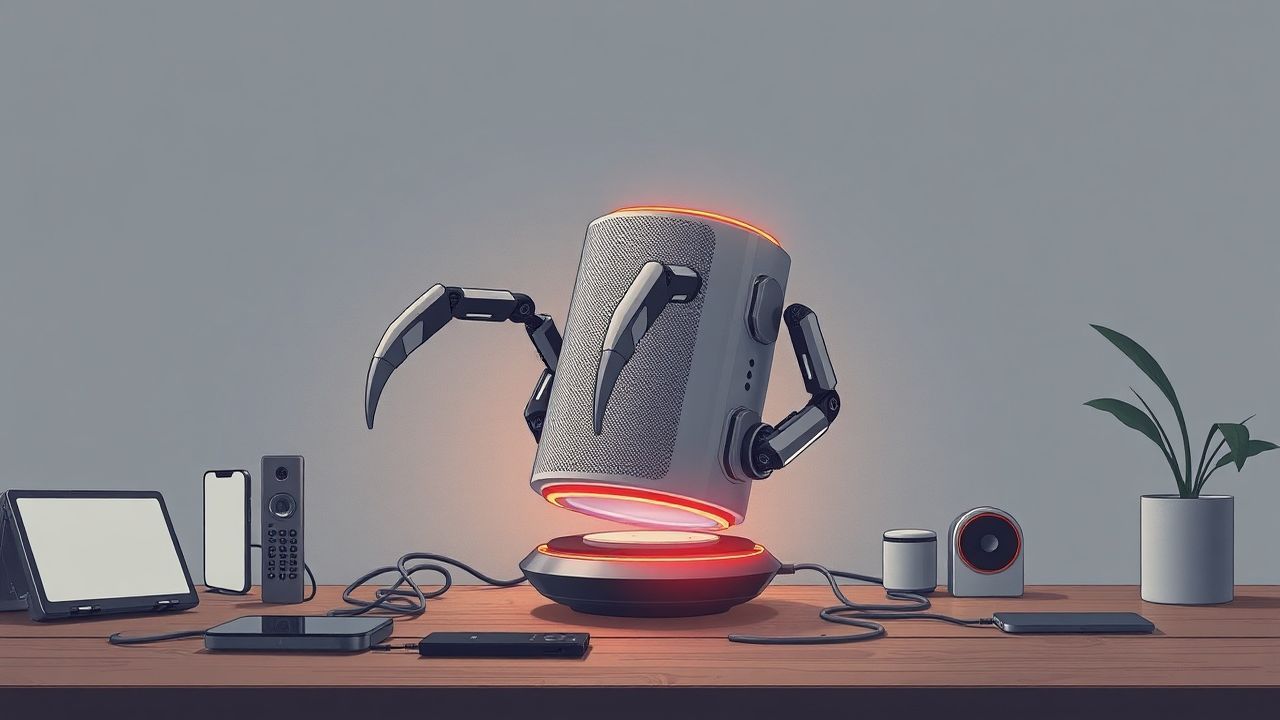
Revolution in Smart Homes: Baidu's Xiaodu Gets OpenClaw Integration
Baidu, the leading Chinese technology company, has made a groundbreaking announcement that could change the landscape of smart home devices. Over 100 million Xiaodu smart speakers will be equipped with OpenClaw integration, transforming the devices from simple voice assistants into autonomous agent AI systems.
What OpenClaw Integration Means
OpenClaw is a KI framework that enables intelligent agents to complete complex tasks without human intervention. With the integration, Xiaodu speakers can now:
- Conduct autonomous trip planning
- Search and compare the best online deals
- Diagnose and repair their own devices
- Learn and adapt to user preferences
Technical Implementation
The integration is being rolled out via over-the-air updates to all compatible Xiaodu devices. Baidu is using its own KI technology in combination with the OpenClaw framework to ensure seamless integration.
Market Impact
Experts see this development as a turning point for the smart home market. The ability to complete complex tasks autonomously could significantly change the competition among smart speaker manufacturers. Analysts predict that other major players like Amazon, Google, and Apple will follow suit shortly.
Security and Privacy
Baidu emphasizes that the new features have been implemented under strict security measures. The devices are supposed to only access external services with explicit user permission and transmit all data encrypted. Critics, however, point out that the increasing autonomy of KI systems also brings new security risks.
Conclusion
The OpenClaw integration in Xiaodu smart speakers marks a milestone in the development of KI assistants. The ability to complete complex tasks autonomously could fundamentally change the way we interact with smart home devices. It remains to be seen how the market will react to this development and what new use cases will emerge from it.